10 Questions to Ask Before Moving to Winston-Salem, NC
People ask the same ten questions almost every time. Not the glossy chamber-of-commerce stuff, but the real logistics: how far is the drive, what does it actually cost to live here, where should they look for a house, and what are the taxes like?
These conversations have come up hundreds of times with buyers and sellers trying to figure out if the city works for their lives. This isn’t a generic list pulled from a search engine. These are the questions that come up on Zoom calls, in the inbox, and during showings when someone is standing in a living room trying to picture their next chapter.
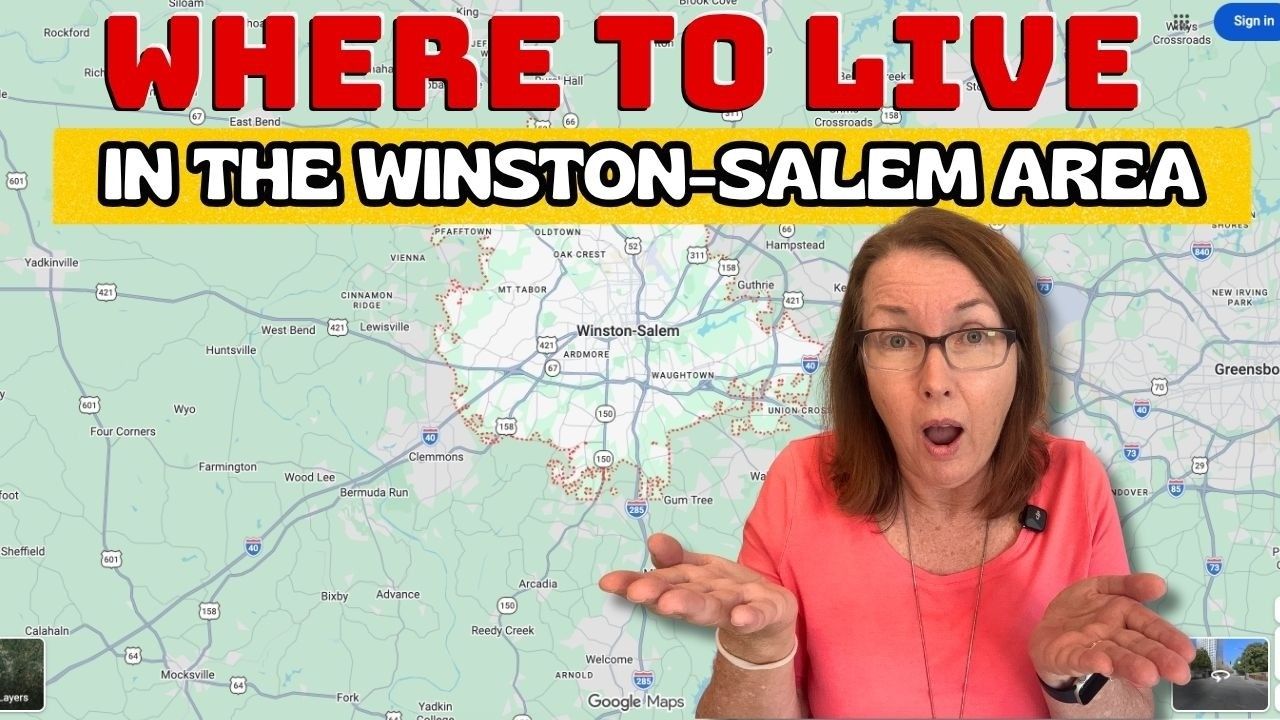
Winston-Salem sits in the Triad, the regional area of North Carolina that includes Greensboro and High Point. It's not Charlotte, and it's not Raleigh. It's smaller, quieter in some ways, and still building out in others. People move here for jobs, for family, for a lower cost of living than the bigger metros, or because they want a mid-sized city that still feels like it has a downtown. But they also move here with questions, and I'd rather answer them honestly up front than let someone get surprised six months after closing.
This article covers the ten things I talk about most: commute times and mileage, whether Winston-Salem is the right fit, cost of living, neighborhoods, crime and safety, schools, the job market and economy, things to do, taxes (including retirement income), and the small towns around the Triad that buyers ask about. If you're weighing a move here, or if you're already planning and need specifics, this is the conversation we'd have on a call.
Table of Contents
- The Real Cost of Commuting in Winston-Salem
- Is Winston-Salem Right for You?
- Navigating the Cost of Living
- Choosing Your Ideal Neighborhood
- Understanding Crime and Safety
- Where Are local schools?
- What About Finding a Job and the Economy?
- What Are Things to Do in Winston-Salem?
- What Are the Taxes Like? What About Retirement Income and Taxes?
- Which Small Town Is the Best?
- Making the Move: What Comes Next
The Real Cost of Commuting in Winston-Salem
Commute questions come up early, usually in the first five minutes of a buyer call. People want to know how far things are, how long it takes to get to work, and whether the drive is going to eat up their day. Winston-Salem is a mid-sized city, so you're not dealing with hour-long gridlock like Charlotte or Atlanta, but you're also not in a tiny town where everything is ten minutes away. The reality depends on where you live and where you're going.
If you're working in downtown Winston-Salem and you live in one of the closer neighborhoods, your commute might be fifteen to twenty minutes. If you're out in the suburbs or one of the small towns around the Triad, it stretches. Greensboro is about thirty to forty minutes east, depending on traffic and which part of Greensboro you're headed to. High Point is closer, maybe twenty to thirty minutes. Charlotte is farther, over an hour, so if you're commuting there daily, you're looking at a serious drive. Raleigh is about ninety minutes to two hours, so that's not a daily commute for most people.
Mileage adds up if you're driving between cities for work or errands. The Triad is spread out, and while the highways are decent, you're still covering ground. Gas costs, car maintenance, and time in the car are real factors. I tell buyers to map their actual commute, not just the city-to-city distance, because where you work in Winston-Salem or Greensboro makes a difference. A job on the far side of town can add twenty minutes each way.
Some buyers are remote and don't care about the commute. Others are relocating for a specific job and need to be within a certain radius. If you're in that second group, we start with your work address and build out from there, because commute time is one of those things that sounds fine on paper and then wears you down six months in.
Is Winston-Salem Right for You?
This is the question people don't always ask directly, but it's underneath everything else. They want to know if Winston-Salem is going to feel like home, if it's going to match what they're leaving or what they're hoping for. I can't answer that for everyone, but I can tell you what Winston-Salem is and what it isn't.
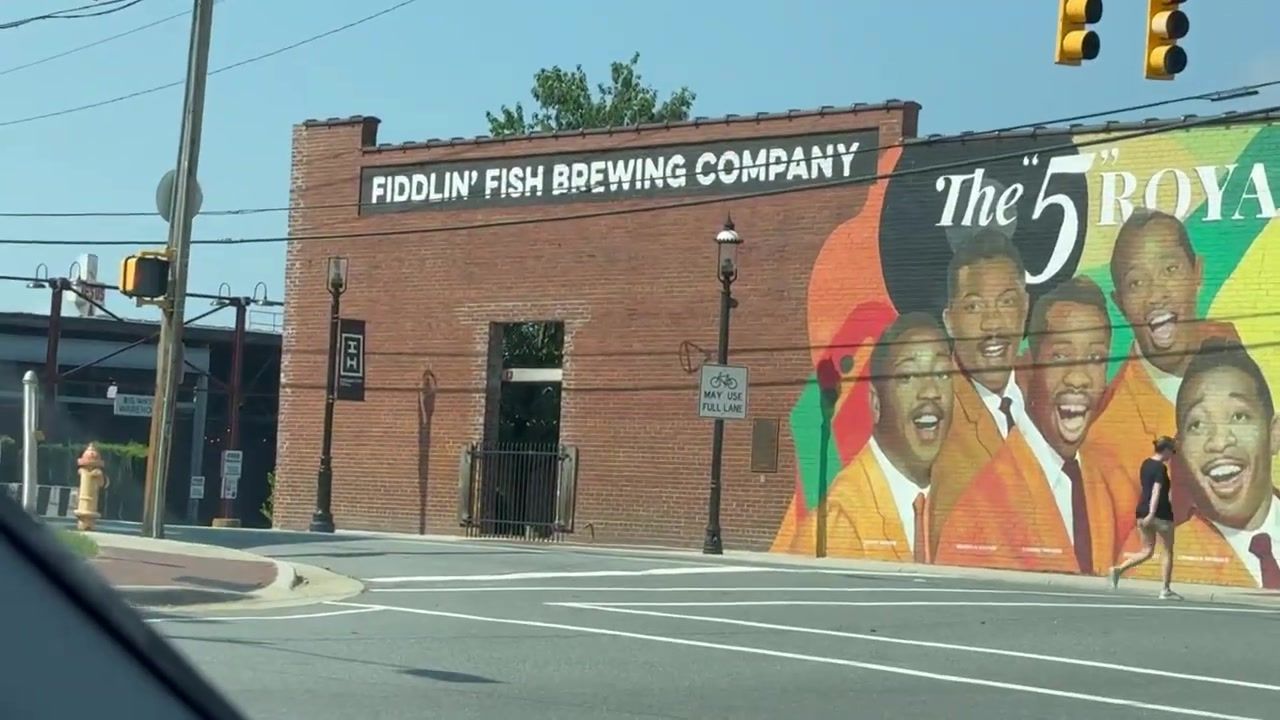
Winston-Salem is a mid-sized city with a downtown, a university (Wake Forest), a medical center (Wake Forest Baptist Health), and a mix of old neighborhoods and new construction. It's not a booming tech hub like Raleigh, and it's not a financial center like Charlotte. It's got history, tobacco money that built a lot of the older homes, and a quieter pace than the bigger metros. If you're coming from a major city and you want that same energy, Winston-Salem might feel slow. If you're coming from a small town and you want more options, it might feel like a step up.
The city has a downtown that's been revitalizing for years. There are restaurants, breweries, some arts and culture, but it's not a massive nightlife scene. People who love Winston-Salem tend to love the balance: enough to do without the traffic and cost of a bigger city. People who don't love it usually say it feels too quiet or too spread out.
Buyers are encouraged to visit before they commit. They can drive around, eat at a few places, and get a feel for what the different neighborhoods are like. Winston-Salem works well for a lot of people, but it’s not for everyone, and that’s okay. For those looking for a mid-sized city with a lower cost of living and a slower pace, it’s worth a serious look. Those who prefer a big-city vibe might be happier in Charlotte or Raleigh.
Navigating the Cost of Living
Cost of living is one of the biggest reasons people move to Winston-Salem, especially if they're coming from the Northeast, California, or even Charlotte. Housing costs less here, and so do a lot of other things. But "less expensive" doesn't mean cheap, and it doesn't mean the same for everyone.
Housing is the big one. You can still find homes in Winston-Salem for under $300,000, which is harder to do in Raleigh or Charlotte. New construction and move-up homes are in the $300,000 to $500,000 range, and there are higher-end neighborhoods if you're looking above that. Rent is lower than the bigger metros, but it's been climbing. If you're coming from New York or California, Winston-Salem will feel like a bargain. If you're coming from a smaller town in the South, it might feel like a jump.
Groceries, gas, and utilities are pretty average for North Carolina. You're not paying big-city premiums, but you're not in the cheapest part of the state either. Eating out is affordable compared to major metros. Childcare costs are lower than Charlotte or Raleigh, but they're still a line item if you've got young kids.
The trade-off is income. Salaries in Winston-Salem tend to be lower than Charlotte or Raleigh, so if you're taking a local job, you need to factor that in. Remote workers who are keeping a higher salary from another market do well here. Retirees on a fixed income appreciate the lower housing costs. It's all about what you're bringing in and what you're spending.
Choosing Your Ideal Neighborhood
Neighborhood questions come up on every buyer call, and they're hard to answer without knowing what someone wants. Winston-Salem has a lot of neighborhoods, and they're all different. Some are historic and walkable, some are new construction suburbs, some are quiet and family-focused, and some are closer to downtown with more activity.
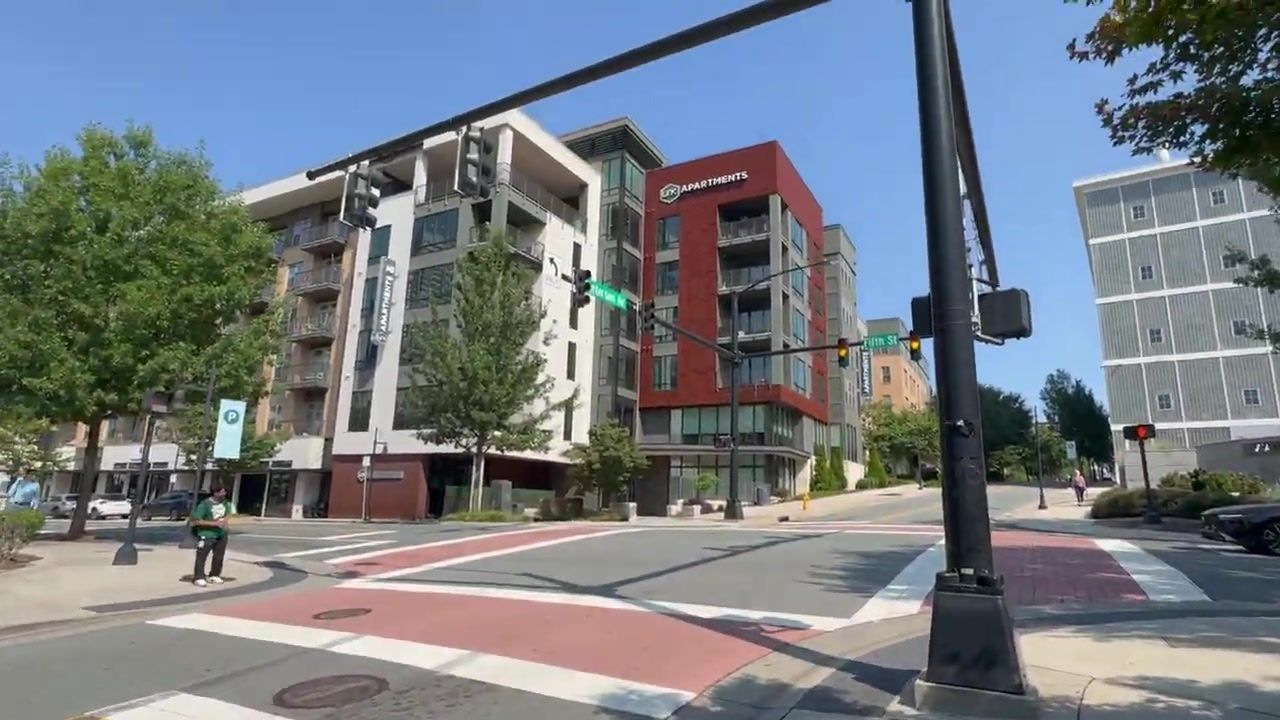
I usually start by asking what matters most: commute, schools, walkability, lot size, age of the home, HOA or no HOA. That narrows it down. If someone wants new construction with local schools, we're looking at certain suburbs. If they want an older home with character and a walkable downtown vibe, we're looking at different areas. If they want land and privacy, we're probably looking outside the city limits.
Some neighborhoods have HOAs, some don't. Some have amenities like pools and playgrounds, some are just streets with houses. Some are in the city limits, some are in the county, and that affects taxes and services. I walk buyers through the trade-offs, because there's no perfect neighborhood that checks every box. You're always choosing between things.
The best way to figure out neighborhoods is to drive them. I send buyers out with a list of areas to explore, and they come back with a feel for what they like. Some people fall in love with a neighborhood they didn't expect, and some people cross off places that looked good on paper. It's a process, and it takes time.
Understanding Crime and Safety
Crime and safety questions come up on almost every call, and they're tricky because people are asking for a simple answer to a complicated question. Winston-Salem has crime, like every city. Some neighborhoods have more than others. Some areas feel safer than others. But crime statistics don't always tell the whole story, and they don't always match what people experience day to day.
I tell buyers to look at crime maps, but also to drive the neighborhoods and talk to people who live there. Some areas have higher property crime, some have more serious crime, and some are quiet. The city has been working on public safety, but it's an ongoing issue like it is in a lot of mid-sized cities.
Safety also depends on what you're used to. If you're coming from a big city, Winston-Salem might feel safer. If you're coming from a small town, it might feel less safe. It's all relative. I don't sugarcoat it, and I don't tell people every neighborhood is perfectly safe, because that's not true. I tell them to do their research, trust their gut, and ask questions.
Some buyers prioritize safety above everything else, and that's fine. We focus on neighborhoods with lower crime rates, good lighting, active neighbors, and proximity to services. Other buyers are less concerned and care more about commute or schools. It's a personal decision, and I respect that.
Where Are local schools?
School questions are huge for buyers with kids, and they're hard to answer because "best" means different things to different people. Winston-Salem has public schools, private schools, charter schools, and magnet schools. Some are highly rated, some are improving, and some are struggling. The district you're in makes a big difference.
Winston-Salem/Forsyth County Schools is the main public school district. It's a large district with a lot of schools, and quality varies. Some schools have strong test scores and active parent groups, and some are working to improve. I tell buyers to look at individual schools, not just the district as a whole, because the experience can be very different depending on which school your kids would attend.
Private schools are an option if you're willing to pay tuition. There are religious schools, independent schools, and some with specific educational philosophies. Charter schools are another option, and some are popular and have waiting lists. Magnet schools within the public district offer specialized programs, but they often require an application.
Schools aren’t ranked or labeled as the best because that can be considered steering, and the right school depends on each child and what they need. Buyers are encouraged to visit schools, talk to parents, review test scores, and verify current information with the district. School boundaries and ratings can change, so it’s worth doing the homework.
What About Finding a Job and the Economy?
Job and economy questions come up with buyers who are relocating without a job lined up, or who are worried about the local market. Winston-Salem's economy is different than it was twenty or thirty years ago. Tobacco used to be the big industry, and it's not anymore. The city has been working to diversify, and there are jobs in healthcare, education, manufacturing, logistics, and some tech.
Wake Forest Baptist Health is one of the largest employers. Wake Forest University is another. There are manufacturing plants, distribution centers, and corporate offices for some national companies. The job market isn't as hot as Raleigh or Charlotte, but it's not dead either. If you're in a specialized field, you might have fewer options than you would in a bigger city. If you're in healthcare, education, or logistics, there are opportunities.

Unemployment rates are pretty average for North Carolina. The economy is stable, not booming, not crashing. Some people move here with remote jobs and don't worry about the local market. Others are relocating for a specific job and already have that piece figured out. If you're moving here and hoping to find work, I'd recommend lining something up before you move, or at least having a plan.
The cost of living helps if you're making less here than you would in a bigger city. A lower salary goes farther when housing and other costs are lower. But it's still a trade-off, and it's worth running the numbers.
What Are Things to Do in Winston-Salem?
Things-to-do questions come up with buyers who want to know if they're going to be bored. Winston-Salem has stuff to do, but it's not a major entertainment destination. If you're expecting a packed calendar of big concerts, pro sports, and endless nightlife, you're going to be disappointed. If you're looking for a decent mix of restaurants, breweries, parks, arts, and local events, you'll find it.
Downtown Winston-Salem has restaurants, breweries, and some live music. There are local theaters, art galleries, and the Reynolda House Museum of American Art. Old Salem is a historic district with museums and tours. Tanglewood Park is a big county park with trails, a lake, and events. There are farmers markets, food festivals, and some seasonal events.
If you want more options, Greensboro and Charlotte are close enough for day trips or weekends. The mountains are a few hours west, and the beach is a few hours east. Winston-Salem is a good home base if you like to explore, but it's not the main attraction.
People who love Winston-Salem tend to love the local feel and the slower pace. People who don't love it usually say there's not enough to do. It depends on what you're looking for and how you spend your time.
What Are the Taxes Like? What About Retirement Income and Taxes?
Tax questions come up with almost every buyer, and they're especially important for retirees. North Carolina has a flat state income tax, which is currently around 4.75%. That's lower than a lot of states, and it's the same rate whether you make $50,000 or $500,000. Property taxes in Forsyth County are moderate compared to other parts of the state. They're not the lowest, but they're not the highest either.
Sales tax in Winston-Salem is a little over 6.75%, which includes state and local taxes. That's pretty average for North Carolina. There's no local income tax, which some states have.
For retirees, North Carolina used to exempt a lot of retirement income from state taxes, but that's changed. Social Security is not taxed, which is good. But other retirement income like pensions and 401(k) withdrawals are taxed as regular income at that flat rate. Some retirees are happy with the overall tax picture, and some are disappointed that the exemptions went away. It's worth talking to a tax advisor if you're retiring here, because everyone's situation is different.
Property taxes are based on the assessed value of your home, and they're paid annually or semi-annually. The rate in Forsyth County is lower than Mecklenburg (Charlotte) but higher than some rural counties. If you're buying a $400,000 home, you're looking at a few thousand dollars a year in property taxes, give or take.
Which Small Town Is the Best?
Small-town questions come up with buyers who want to be near Winston-Salem but not in the city. The Triad has a lot of small towns, and they all have different personalities. Some are growing fast with new construction, some are quiet and rural, and some are historic with downtowns.
I don't call any of them the best, because it depends on what you want. Some small towns have better schools, some have lower taxes, some have more land, and some have easier commutes. Some are in different counties, which affects taxes and services. Some have town amenities like parks and events, and some are just residential.
Buyers who want small-town living usually care about space, quiet, and a slower pace. They're willing to drive a little farther for work or errands in exchange for more land or a different feel. Some small towns are fifteen to twenty minutes from Winston-Salem, and some are farther.
I walk buyers through the options based on their priorities: commute, schools, lot size, budget, and what kind of community they want. Some people fall in love with a small town and never look back. Others realize they want to be closer to the city. It's a personal choice, and there's no wrong answer.
Making the Move: What Comes Next
If you're reading this and you're still thinking about Winston-Salem, the next step is to talk specifics. These ten questions are a starting point, but every buyer has their own version of them. Your commute is different, your budget is different, your priorities are different. I can answer the general questions all day, but the real conversation happens when we're talking about your situation.
If you’re considering a move to Winston-Salem or the Triad, let’s talk. You can make a call to discuss neighborhoods, home prices, current listings, and what daily life is really like in the area.
The goal is to help you decide whether Winston-Salem is the right fit for you. If it is, the next step is building a plan. If it isn’t, you’ll know that before making the move.
FAQ: Living in Winston-Salem, North Carolina
What is the cost of living like in Winston-Salem compared to other North Carolina cities?
Winston-Salem is less expensive than Charlotte or Raleigh, especially for housing. You can still find homes under $300,000, and rent is lower than the bigger metros. Groceries, gas, and utilities are pretty average for the state. The trade-off is that salaries tend to be lower here, so if you're taking a local job, factor that in. Remote workers and retirees often do well because they're keeping higher income or fixed income while paying less for housing.
How is the commute from Winston-Salem to other Triad cities?
Greensboro is about thirty to forty minutes east, and High Point is twenty to thirty minutes, depending on where you're going in each city. Charlotte is over an hour, so that's a tough daily commute. Raleigh is ninety minutes to two hours, which is not realistic for most people to drive every day. If you're working in Winston-Salem and living in the suburbs or a nearby small town, expect fifteen to thirty minutes depending on traffic and distance.
How do I choose a neighborhood in Winston-Salem?
Start with your priorities: commute, schools, walkability, lot size, age of home, and whether you want an HOA. Some neighborhoods are historic and walkable, some are new construction suburbs, and some are quiet and spread out. Drive the areas you're considering, look at crime maps, and talk to people who live there. There's no perfect neighborhood that checks every box, so you're always choosing between trade-offs. I help buyers narrow it down based on what matters most to them.
What should I know about retirement income and taxes in North Carolina?
North Carolina has a flat state income tax around 4.75%, which applies to most retirement income like pensions and 401(k) withdrawals. Social Security is not taxed, which is a benefit. Property taxes in Forsyth County are moderate, not the lowest but not the highest in the state. The state used to exempt more retirement income, but those exemptions have changed, so it's worth talking to a tax advisor about your specific situation before you move.
Are there good job opportunities in Winston-Salem?
Winston-Salem's economy is anchored by healthcare (Wake Forest Baptist Health), education (Wake Forest University), manufacturing, logistics, and some corporate offices. The job market is stable but not as hot as Raleigh or Charlotte. If you're in a specialized field, you might have fewer options. If you're in healthcare, education, or logistics, there are opportunities. I recommend lining up a job before you move, or having a remote position, rather than moving here and hoping to find work.
What are the small towns around Winston-Salem like?
The Triad has a lot of small towns, and they vary. Some are growing with new construction, some are quiet and rural, and some have historic downtowns. They offer more space, lower density, and a slower pace, but you'll drive farther for work and errands. Some are fifteen to twenty minutes from Winston-Salem, and some are farther. Which one is right for you depends on your commute, school priorities, budget, and whether you want town amenities or just residential quiet.